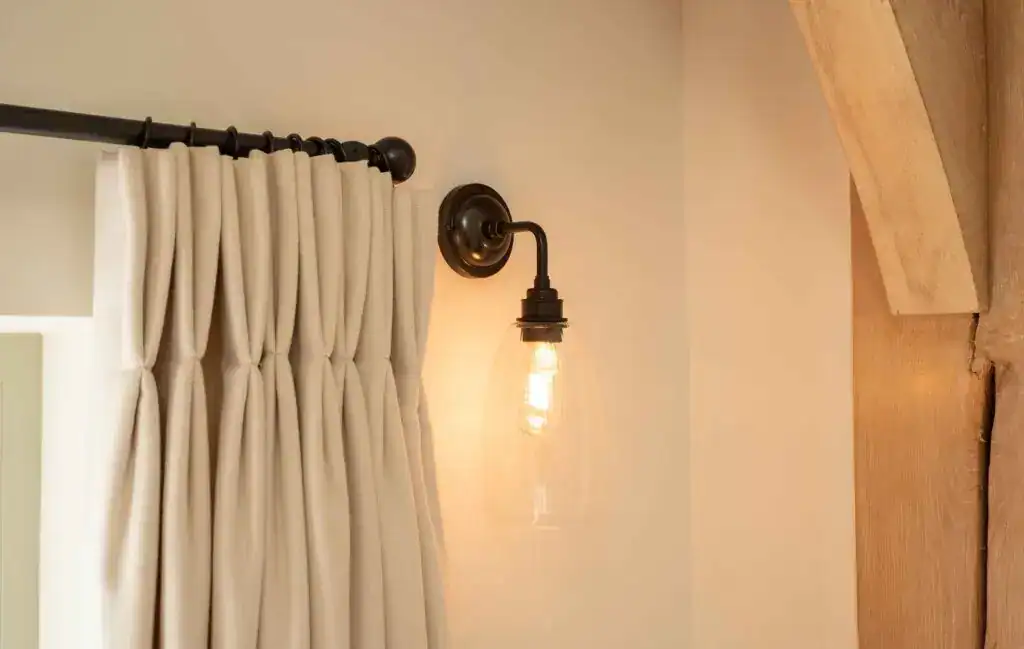
Choosing the right lumens for each room is essential to creating a functional and cosy space. Let us guide you through the basics to light your home perfectly.
Share Post:
Lighting often gets overlooked, but it plays a crucial role in how your home looks and feels. Even with the perfect furniture and decor, the wrong lighting can make a space feel incomplete. Good lighting doesn’t just brighten a room, it sets the mood and makes it more functional.
Lumens vs. Wattage: What’s the Difference?
Wattage tells you how much energy a bulb consumes, but it’s the lumens that reveal how bright it will be. In the age of energy-efficient LEDs, wattage takes a backseat—lumens are what truly matter when choosing the right light for your space. For example, a 4W LED can deliver the same brightness as a 50-60W incandescent bulb, all while using far less energy. Once you know the lumens you need for each room, selecting the perfect bulb becomes effortless.
Choosing the Right Lumen and Wattage for Every Room
Each room has its own unique lighting needs. Factors like size, shape, ceiling height, and even the furniture all contribute to how many lumens you’ll require. Below is a general guide to help you get started. While it offers a good foundation, remember that your space may have its own specific requirements—but this guide will point you in the right direction!
Area:
Lumens/SqM:
KITCHEN/TASK
300-400/700-800
BATHROOM/TASK
500-600/700-800
SITTING ROOM
400-500
BEDROOM/TASK
300-400/700-800
HALLWAY
300
READING/STUDY
400
Let’s talk about LED Bulbs
One of our best-selling products at Fritz Fryer is the 3.2W pear-shaped LED bulb. It offers 190 lumens, equivalent to a 25W incandescent, and provides a cosy 2200K glow with a CRI of 96—perfect for creating a warm atmosphere. We have recently introduced a new range of LED bulbs with flexible spiral filaments, to view the full range here.
When choosing bulbs, it’s important to consider both brightness (measured in lumens) and colour temperature (measured in kelvins):
Cooler temperatures (4000K and above) Bluish-white light, great for task lighting in kitchens or bathrooms.
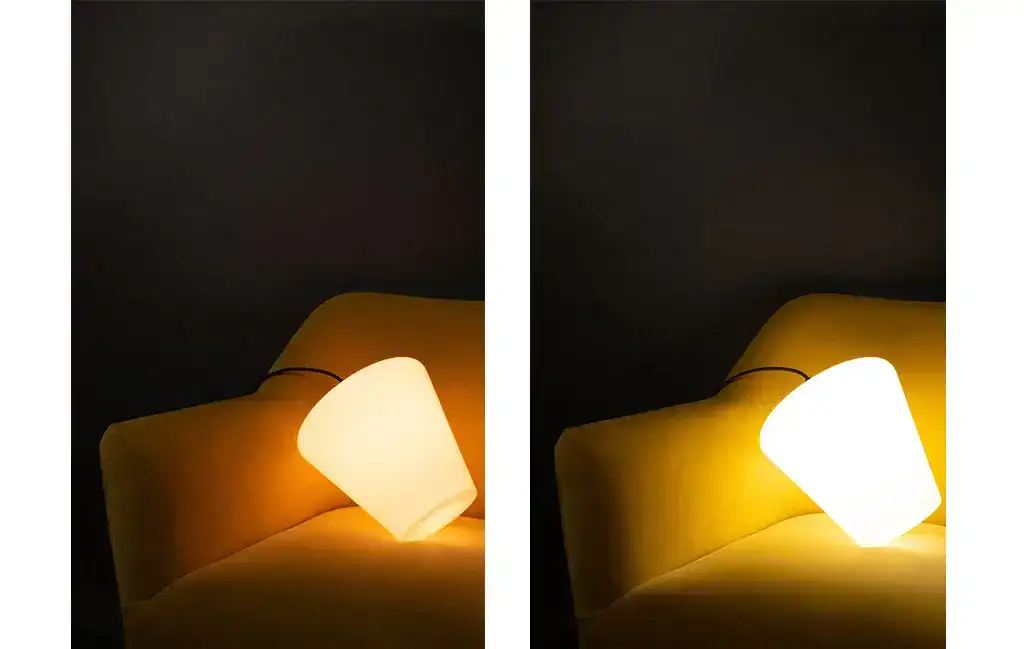
Warmer temperatures (2000K–3000K) Soft, yellowish glow, perfect for creating a cosy ambiance in bedrooms and living rooms.
Now that I know my Bulbs, what can I match them with?
Lighting is both practical and a great way to add personality and style to your home. Adding different layers of lighting to your space like ambient, focus, and decorative lighting creates more depth and flexibility to your space. Here are some ideas for layering lighting:
Pendant and chandeliers: these can serve as statement pieces in a room whether it’s a cluster of 3 or 37 Hereford globes in a stairwell or a glamorous crystal chandelier in the dining room.
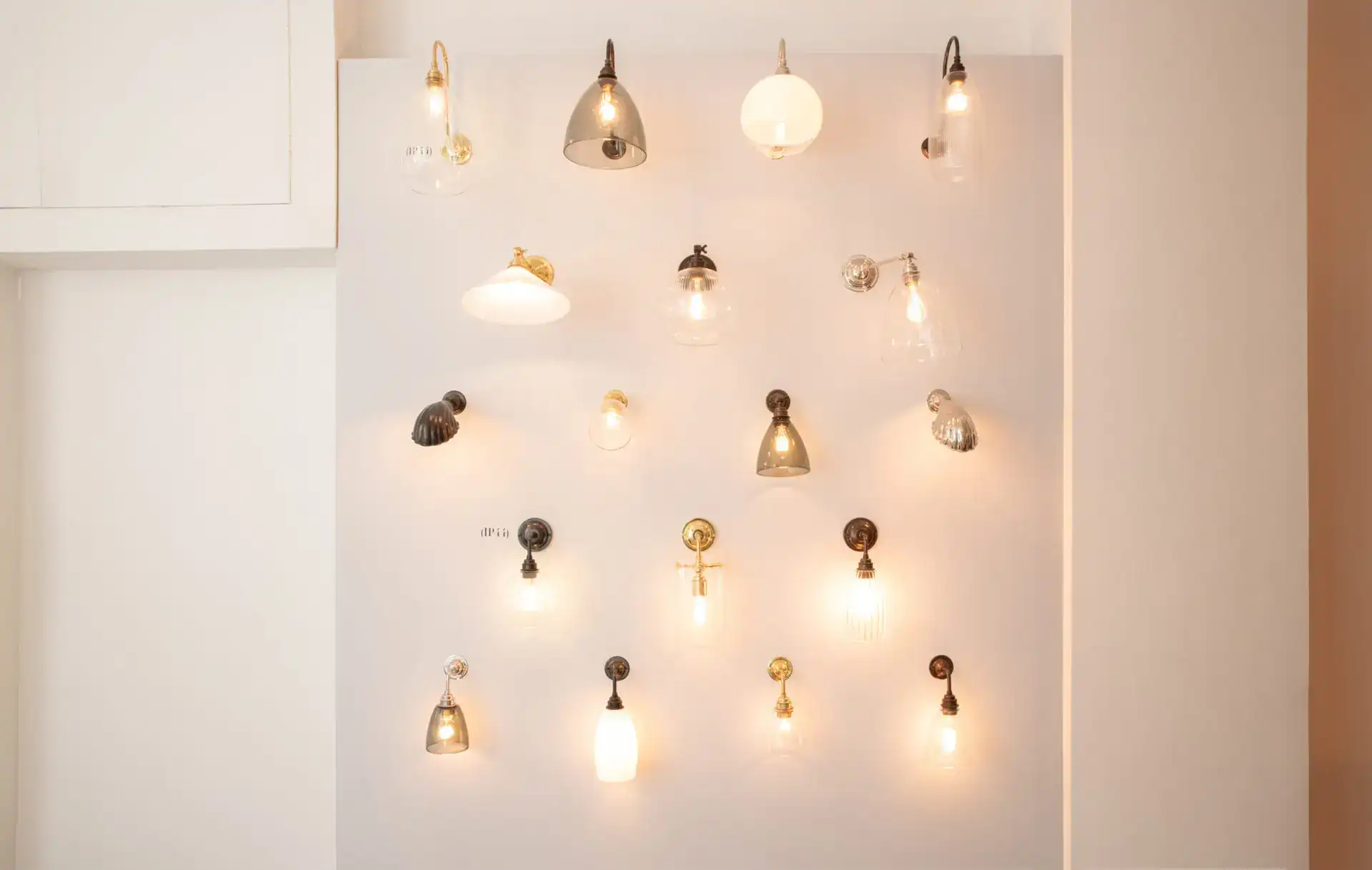
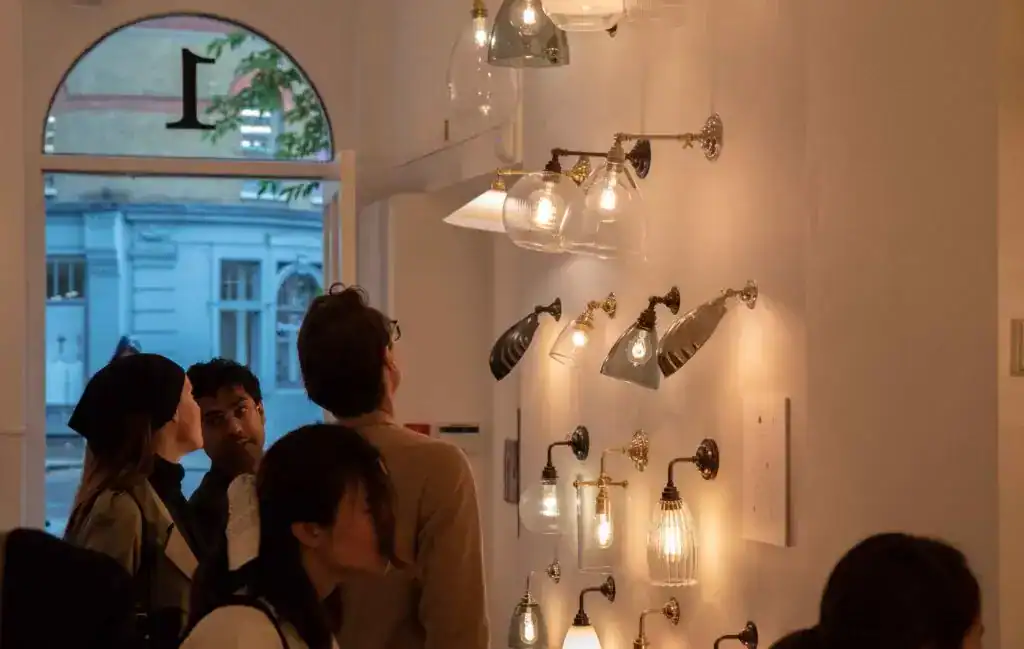
Wall lights: these are great for adding subtle lighting to a hallway or living room.
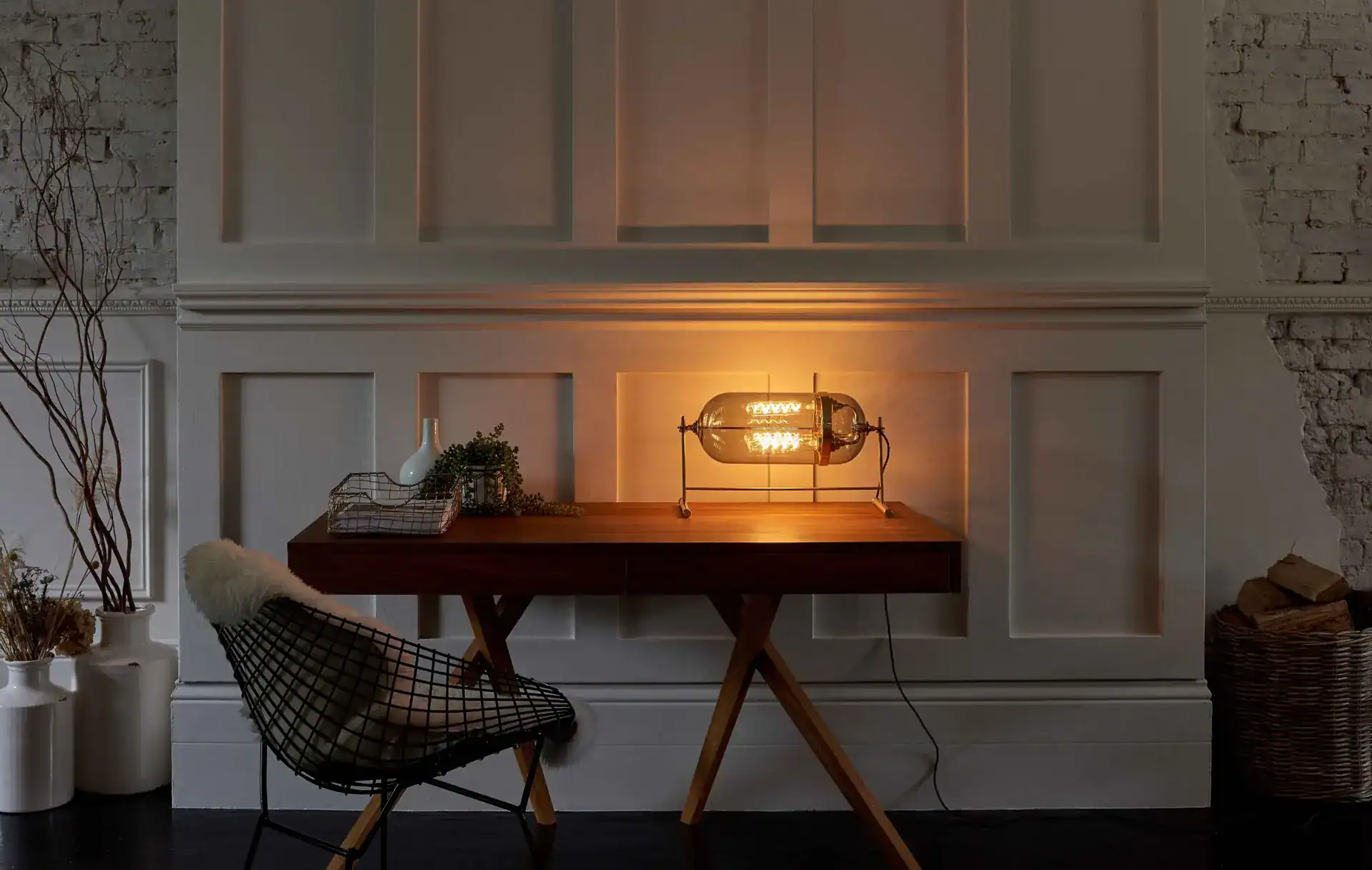
Table lamps: these are a great source of task lighting for reading and working, while adding warmth and character to your space.
If you’re renovating or building, it’s essential to think strategically about your lighting from the start. A well-planned lighting scheme will not only provide the right level of brightness but also create a mood that complements the design of your space.
By planning ahead, you’ll ensure that each room meets both your functional and aesthetic needs. If you feel you need help with your lighting plan and scheme, we’re here to help! There’s a lot of information to take in, so book a lighting consultation here.
Room layout: consider the shape, size, and ceiling height of each room. This will influence the type and amount of lighting needed.
Natural light: take into account how much natural light each room receives throughout the day. This will help you decide on the balance between artificial and natural lighting.
Task lighting: think about areas that require focused lighting, such as kitchens, reading nooks, or home offices.
Lighting schedule: keep a detailed schedule that includes the type of light fixtures, bulb specifications (lumens, wattage), and placement for each room.
Quick Lighting Fixes Without an Electrician
Improving your house lighting doesn’t always require a costly renovation or rewiring by an electrician. In fact, here are some quick fixes you can implement to make a big impact on your space.
Add a lamp: standard and table lamps can be great for increasing the light level in a room while adding a decorative touch.
Change your bulbs: simple swapping old bulbs with the higher lumens or a different temperature can change the entire feel of a room.
Use Dimmers: dimmers are a great way to add versatility to your room allowing you to control the mood and functionality of your space.
Now that you understand the basics of lighting, from choosing the right lumens and wattage to layering light and selecting bulbs, you’re well on your way to transforming your home into a functional and stylish space.
Need a little more help?
If you need any further advice with your lighting scheme, please get in touch– we’d love to hear from you!
To provide the best experiences, we use technologies like cookies to store and/or access device information. Consenting to these technologies will allow us to process data such as browsing behaviour or unique IDs on this site. Not consenting or withdrawing consent, may adversely affect certain features and functions.
Functional
Always active
The technical storage or access is strictly necessary for the legitimate purpose of enabling the use of a specific service explicitly requested by the subscriber or user, or for the sole purpose of carrying out the transmission of a communication over an electronic communications network.
Preferences
The technical storage or access is necessary for the legitimate purpose of storing preferences that are not requested by the subscriber or user.
Statistics
The technical storage or access that is used exclusively for statistical purposes.The technical storage or access that is used exclusively for anonymous statistical purposes. Without a subpoena, voluntary compliance on the part of your Internet Service Provider, or additional records from a third party, information stored or retrieved for this purpose alone cannot usually be used to identify you.
Marketing
The technical storage or access is required to create user profiles to send advertising, or to track the user on a website or across several websites for similar marketing purposes.